


Blog
Company news, lighting design ideas and advice on the lighting layout planning and selection of lighting equipment in our Blog and social networks:

How to design a Lighting Plan: simple approach
Modern lighting technologies and designers offer a lot of options to create a sophisticated lighting environment in modern houses or apartments. And as a customer you should know that most of them are not used by a typical customer. Either because they require big spaces to be implemented or because they are too costly in design, equipment, installation, and maintenance.
If you want a simple approach to create an efficient Lighting Plan for your house or apartment, what should you do?
That’s it. Simple, efficient, and reliable LED Lighting Plan is available to everybody.
If you want a simple approach to create an efficient Lighting Plan for your house or apartment, what should you do?
Definitions
Let’s first define what we mean by this. Simple means this Lighting Plan:- could be designed by yourself
- requires only basic lighting equipment
- could be installed by any LED installer
- requires limited maintenance which could be done by yourself or, in complex cases, by any LED installer
- creates full lighting at night for all important places of your rooms; no spaces left dark
- based on lamps that are easily switched on and off from a wall switcher
- doesn’t consume unnecessary electricity
- provides the same quality of light as any more advanced Lighting Plan
How to design a Lighting Plan? Step-by-step guide
Here is what you should do to create a simple and efficient Lighting Plan.- Select up to 5-10 models of lamps for your house or apartment based on its design idea
- For each room or space select from one to maximum three models of lamps which suite the style of the room or the space. One in case it’s a small space like a bathroom or a corridor. Three in case the room is big (> 200 sqft / 20 sqm)
An example could be spot and magnetic lighting for a living room.
For bathrooms use lightings with IP 44 or higher. - Select rooms which need to have full lighting (like a living room, a kitchen, an office or a bathroom) and rooms where muted lighting will be enough (like a bedroom)
- Define maximum LED lighting power in Watt (W) per sqft or sqm for each room with maximum lighting. You can use data like 0.5-0.8 W / sqft or 5-8 W / sqm.
The better way would be to visit at night a room of a friend or ask you designer to visit one of his/her previous customers. On the visit you should ask about the size of the space and the installed power of LED lights and calculate power per sqft / sqm. Then (the most important part in the decision making) you should ask yourself whether this lighting power is enough for you, or you need more or less, and then make an adjustment. The table below has some advice about steps 2) - 4)
Lighting power for different rooms or spaces in the house
Possible lighting power for LED lighting, W/sqft Possible lighting power for LED lighting, W/sqm Room Number of lighting models Number of buttons on a switch Min Max Min Max Living room, Dining room 2-3 2-3 0.56 0.74 6 8 Kitchen 2-3 2-3 0.56 0.74 6 8 Bedroom 2-3 2-3 0.28 0.56 3 6 Children's room 2-3 2-3 0.56 0.74 6 8 Cabinet / office 2-3 1-2 0.56 0.74 6 8 Bathroom 1-2 2 0.65 0.93 7 10 Corridor 1-2 1 0.46 0.74 5 8
- Add power variability (variability of lighting intensity) for medium and big spaces. To complete this step separate lamps to two-four groups inside a room, add light switchers with several buttons and several phase wires. For example, for a living room separate lamps to three groups, add light switchers with three buttons respectively and plan three phase wires.
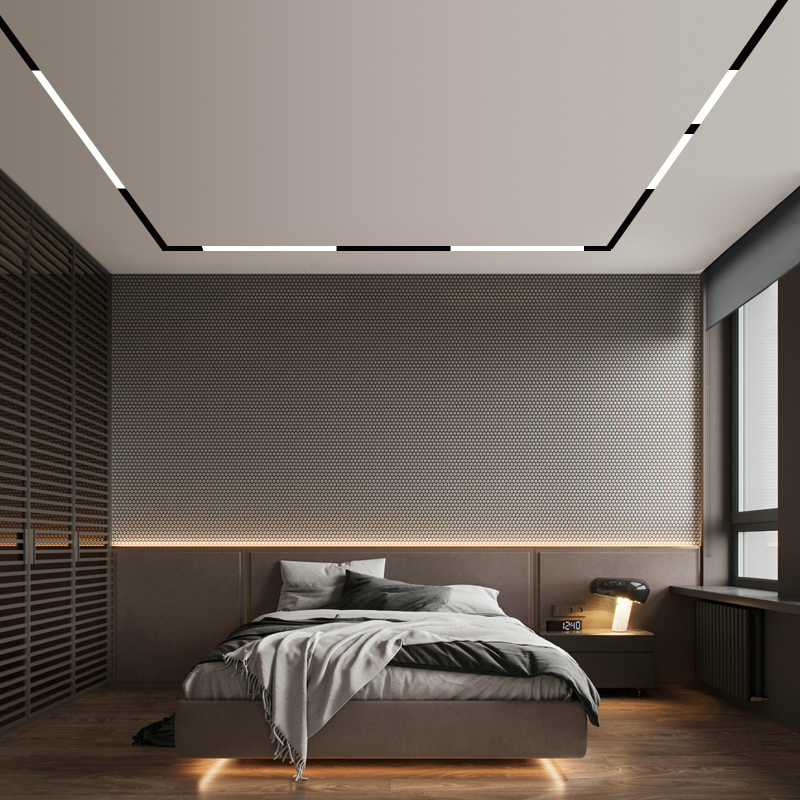
Leave strategic power variability in your design by using track or magnet lamps. In such systems you can add or delete lamps by yourself. For example, if you find out that it’s too dark at night, you will have a chance to buy one or two lamps and add them to the system without violating design.

- Skip (don’t use) dimming. It’s fun when you use it the first time or the first day, but later it will unnecessarily consume time to switch on and off the lights. 5-10 times every day. 3 seconds/time. 15-30 lost seconds every day or 1.5-3 hours per month per room. Plus higher price and more frequent replacements.
We call these lost hours of your life a “dimming tax”. It’s usually imposed by designers on clients who want something cool and fancy or want to see value for the money paid for a lighting design. In this case designers offer dimming to satisfy such clients’ demands or just to show their “value”. - Use accent light to illuminate spaces or pieces of furniture which will not move for sure. The examples could be a dining table, a bed in a small bedroom a bath in the bathroom.
Don’t use it to light movable objects. For example, a table in a cabinet or a bed in a big bedroom could be moved in several years during design lifecycle (20+ years). Even if you are sure in yourself, life conditions may change, and your grown-up children can make the move.
Take into account that accent light requires beam angle around 36° and normal light around 60°. - Finally, select a producer of LED lighting equipment with
- High quality LED (light emitting diode) with high CRI produced by a well-known manufacturer
- Design of lamps that meets your aspirations
Example of a Lighting Plan
Below is the final table which was made following these steps.That’s it. Simple, efficient, and reliable LED Lighting Plan is available to everybody.
Lighting Plan calculator - results
| Room | Room size, sqft |
Power intencity, W/sqft |
Total power - target, W |
Lighting model |
Power, W |
Quantity | Total power - check, W |
Difference, % |
|---|---|---|---|---|---|---|---|---|
| Living room | 250 | 0.6 | 150 | 12 | 144 | -4% | ||
 Crown | 12 | 7 | 84 | |||||
 Magnet Soffit | 12 | 5 | 60 | |||||
| Bedroom | 150 | 0.4 | 60 | 7 | 63 | 5% | ||
 Ren Tetra | 9 | 5 | 45 | |||||
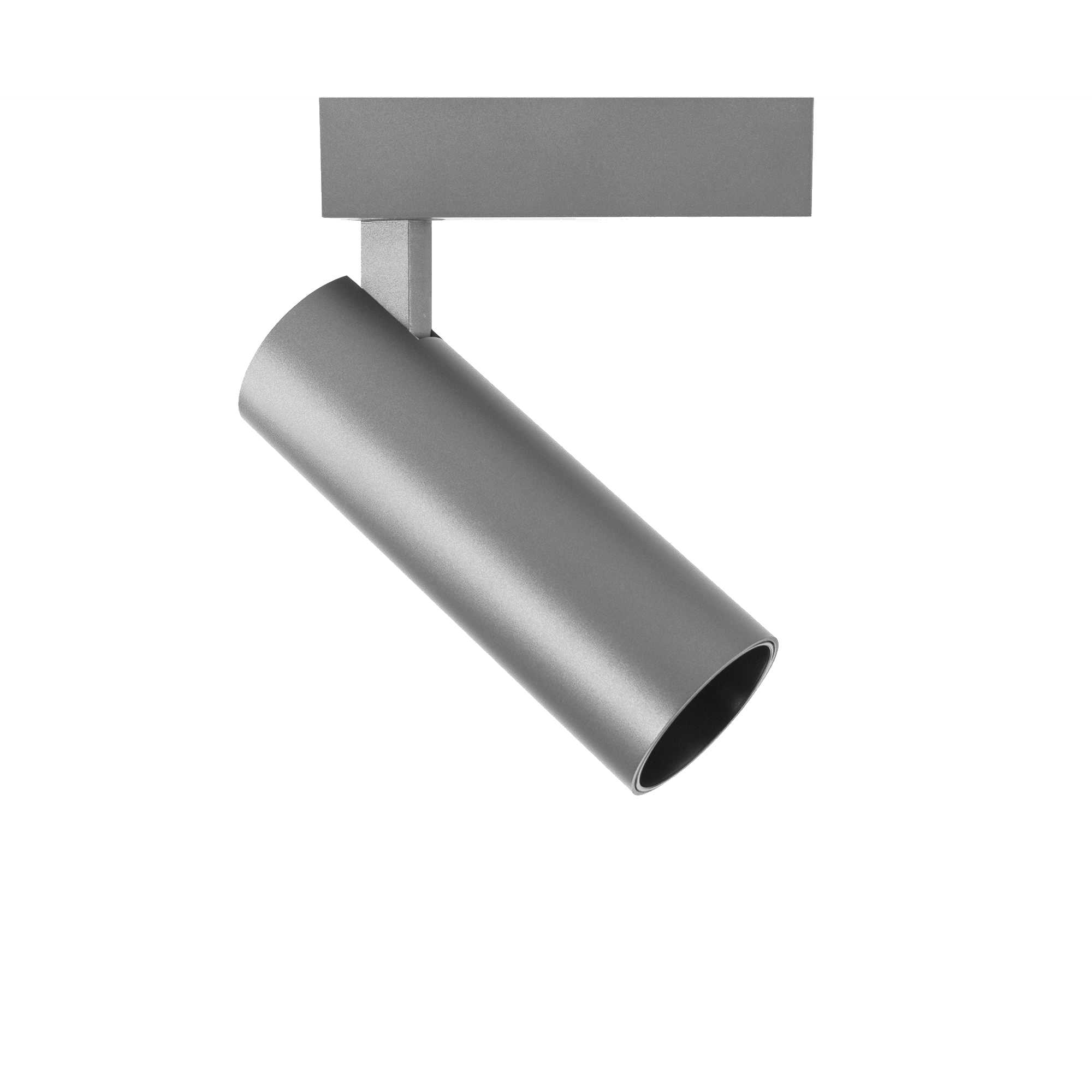 Carmel X | 9 | 2 | 18 | |||||
| Children's room | 150 | 0.7 | 105 | 9 | 108 | 3% | ||
 Lily R | 12 | 6 | 72 | |||||
 Magellan | 12 | 3 | 36 | |||||
| Cabinet / office | 200 | 0.7 | 140 | 13 | 144 | 3% | ||
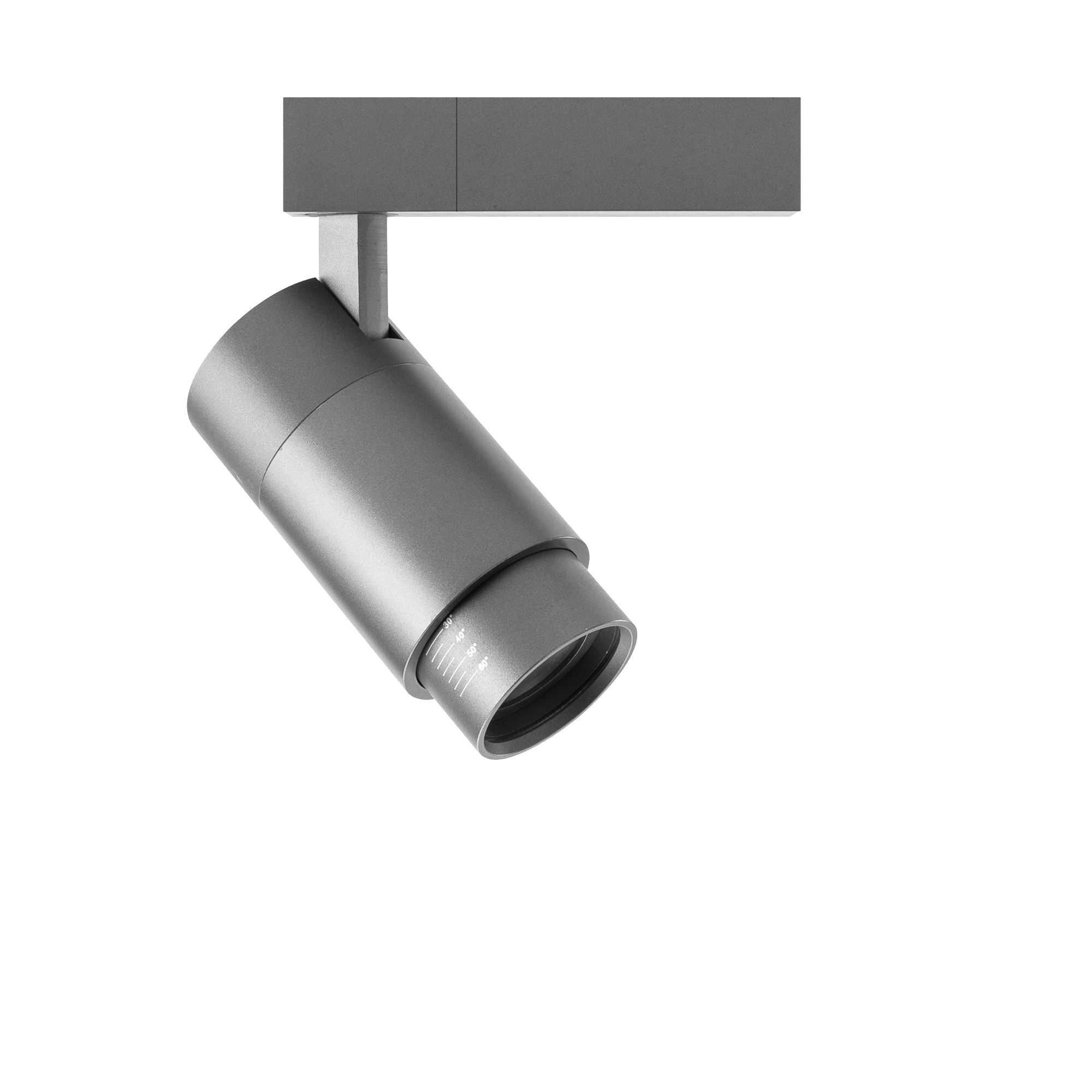 Carmel Zoom X | 9 | 4 | 36 | |||||
Magnet Soffit | 12 | 9 | 108 | |||||
| Bathroom | 50 | 0.7 | 35 | 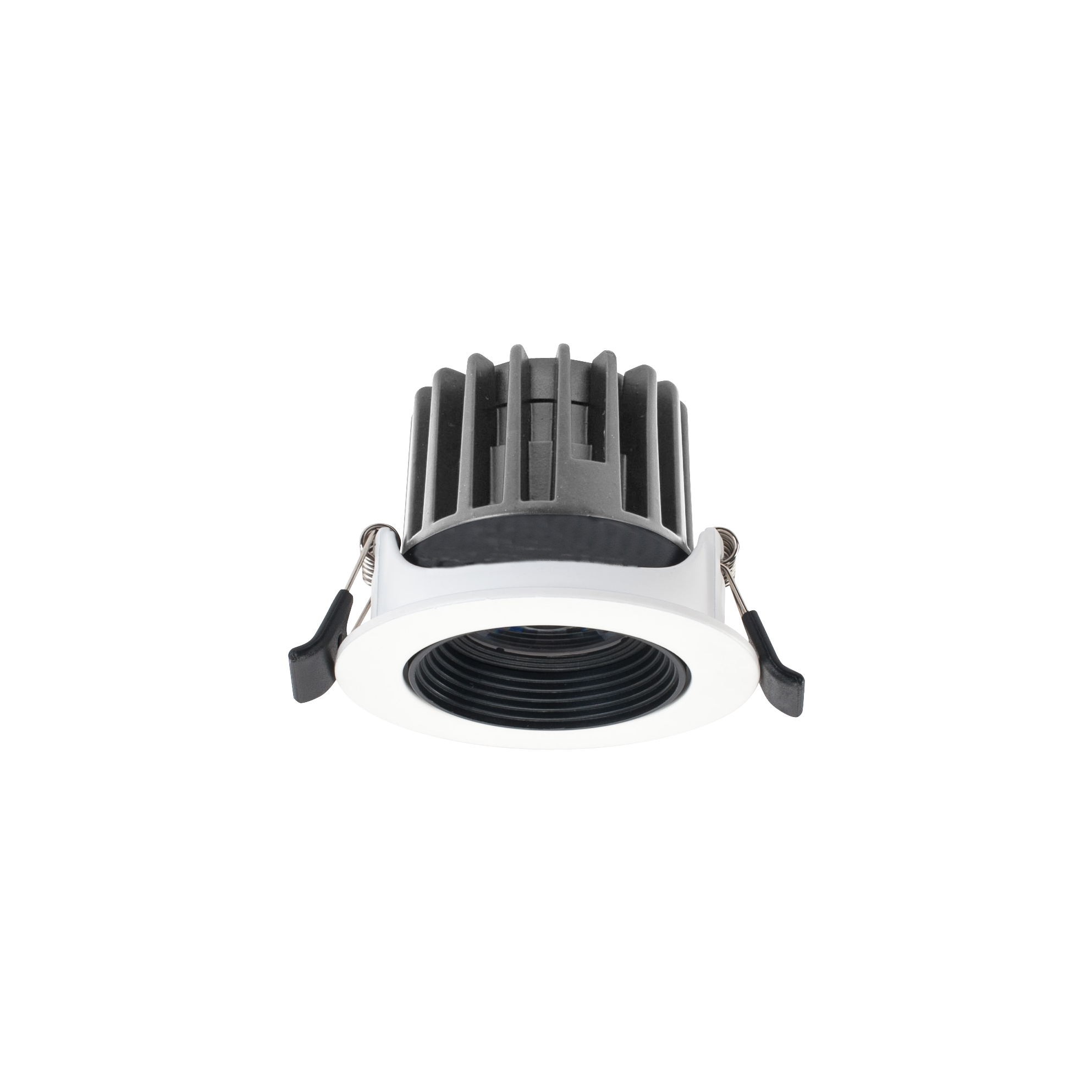 Rada | 7 | 5 | 35 | 0% |
| Corridor | 100 | 0.7 | 70 | Magnet Soffit | 12 | 6 | 72 | 3% |
| Storage | 30 | 0.7 | 21 | Magellan | 7 | 3 | 21 | 0% |
| Total | 930 | 581 | 55 | 587 | 1% |
