


Blog
Company news, lighting design ideas and advice on the lighting layout planning and selection of lighting equipment in our Blog and social networks:

Which IP Rating is appropriate for your LED lights?
In most cases, an indication of the protection class is on the packaging of the LED lamp and in the product card on the website. It is designated by two Latin letters IP followed by two numbers. They follow for a reason - each has its own meaning.
IP stands for Ingress Protection - refers to the very concept of the degree of protection of devices from dust, dirt, foreign bodies and moisture. The concept of "foreign bodies" also includes fingers and devices that can potentially come into contact with live parts.
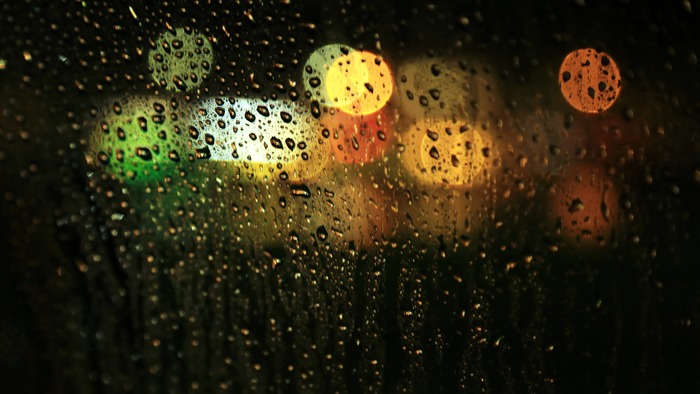
As for the numbers: the first of them indicates the class of protection against dust, the second - from water. The dust protection class ranges from 0 (no protection) to 6 (total dust protection). Water protection class - from 0 (no protection) to 8 (the device can withstand immersion under water for up to 30 minutes at a depth of up to 1 m).
What is the immersion under water per meter for an LED lamp, you rightly notice. The fact is that this classification does not apply to various devices, such as watches, sockets or underwater cameras, and not only to LED lamps.
Based on the foregoing, let's look at the most common values of protection classes that are found on the packages of LED lamps:
IP20 is the standard protection class for luminaires installed in living rooms. The number 2 indicates that the device is protected from the penetration of particles with a diameter of 12.5 mm or more, 0 - there is no protection against water. Therefore, luminaires with IP20 are suitable for clean and dry environments such as bedrooms, kitchens, living rooms and other living rooms, as well as office spaces.
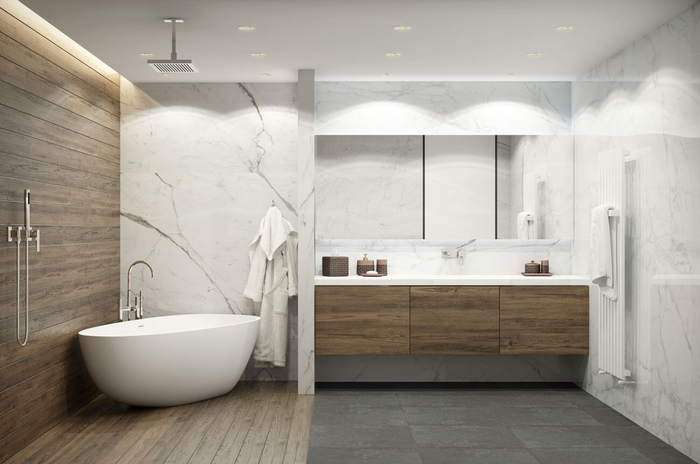
IP44 - this degree of protection is recommended for bathrooms and other rooms with high humidity. The first digit 4 means that the luminaire is protected from the penetration of particles with a diameter of 1 mm or more, the second digit 4 means that the luminaire will withstand splashes of water flying at it from all sides.
IP65 - outdoor luminaires should have such a degree of protection. The first number 6 means full protection against dust, which will come in handy in our climate. The second number 5 indicates that the lamp is not afraid of any rain - it is reliably protected from water jets.
To sum up: for rooms where it is clean and dry, we choose lamps with protection class IP20, for baths and other wet rooms - IP44, for outdoor lighting at home we use lamps with IP65.
IP stands for Ingress Protection - refers to the very concept of the degree of protection of devices from dust, dirt, foreign bodies and moisture. The concept of "foreign bodies" also includes fingers and devices that can potentially come into contact with live parts.
As for the numbers: the first of them indicates the class of protection against dust, the second - from water. The dust protection class ranges from 0 (no protection) to 6 (total dust protection). Water protection class - from 0 (no protection) to 8 (the device can withstand immersion under water for up to 30 minutes at a depth of up to 1 m).
What is the immersion under water per meter for an LED lamp, you rightly notice. The fact is that this classification does not apply to various devices, such as watches, sockets or underwater cameras, and not only to LED lamps.
Based on the foregoing, let's look at the most common values of protection classes that are found on the packages of LED lamps:
IP20 is the standard protection class for luminaires installed in living rooms. The number 2 indicates that the device is protected from the penetration of particles with a diameter of 12.5 mm or more, 0 - there is no protection against water. Therefore, luminaires with IP20 are suitable for clean and dry environments such as bedrooms, kitchens, living rooms and other living rooms, as well as office spaces.
IP44 - this degree of protection is recommended for bathrooms and other rooms with high humidity. The first digit 4 means that the luminaire is protected from the penetration of particles with a diameter of 1 mm or more, the second digit 4 means that the luminaire will withstand splashes of water flying at it from all sides.
IP65 - outdoor luminaires should have such a degree of protection. The first number 6 means full protection against dust, which will come in handy in our climate. The second number 5 indicates that the lamp is not afraid of any rain - it is reliably protected from water jets.
To sum up: for rooms where it is clean and dry, we choose lamps with protection class IP20, for baths and other wet rooms - IP44, for outdoor lighting at home we use lamps with IP65.
